Bedding · Materials · Sleep Comfort
Pillow-Top vs. Latex Mattress Toppers: What Changes at Bedtime?
A topper is a relatively small change with a surprisingly intimate effect: it can soften the first impression of a mattress, alter how easily you turn, and shift the way warmth gathers around you. Pillow-top and latex styles both promise added comfort, but they deliver it in distinctly different ways.
At bedtime, the difference is less about a label than a sensation. A pillow-top topper tends to create a cushioned, padded surface: a soft landing that may make a firm mattress feel more welcoming. Latex, by contrast, is often recognized by its buoyant response. It compresses under the body, then pushes back with a springy lift that can make changing position feel more fluid.
Neither style is universally better, and neither can transform every mattress into the ideal sleep surface. The right choice depends on what you want to change: the initial plushness, pressure relief, ease of movement, temperature feel, or the overall character of your bed. Construction, thickness, firmness, and the mattress beneath all matter. Understanding those details makes comparison less like guessing from a product description and more like editing a bedroom to suit the way you actually sleep.
Here is what to consider when weighing pillow-top mattress toppers against latex mattress toppers—and what each may feel like once the lights are out.
First, what does “pillow-top” mean?
“Pillow-top” describes a cushioned layer sewn or attached to the surface of a mattress, but the term is also used for separate padded toppers. As a topper, it generally refers to a soft, lofted construction made from one or more comfort materials inside a fabric cover. The fill may include fiber, foam, down alternative, or a combination. The exact ingredients vary, so the name alone does not tell you how the product will feel or perform.
Imagine a neatly made bed with an extra layer of softness between you and the mattress. The surface may feel cloudlike, quilted, or gently padded, depending on the fill and how densely it is packed. Some designs offer a light cushion; others add more substantial loft. When shopping, read the material and construction details rather than assuming every pillow-top topper has the same softness, breathability, or durability.
Because the comfort materials are contained within a cover, a pillow-top style can also create a more finished, cushioned surface. That visual impression is not a reliable guide to support, however. A thick topper may feel plush at first but compress differently under the hips and shoulders. The sensation will depend on how the fill responds to weight and whether it retains its loft over time.
The character of latex
Latex is a resilient foam material used in bedding for its elastic, responsive feel. Depending on its formulation and construction, a latex topper can feel gently yielding or notably firm, but it is commonly associated with a buoyant sensation rather than a slow-sinking one. The material compresses where pressure is applied and tends to recover its shape promptly when that pressure changes.
That quick response is what many sleepers notice when turning from one side to the other. Instead of feeling held in a deep impression, you may experience a little more lift beneath you. Some people find this easier for moving around; others prefer the enveloping softness of a more cushioned surface. These are matters of preference, not guarantees. A latex topper’s firmness, thickness, and the mattress underneath can all influence the impression.
Latex products are not identical. They can differ in material composition, manufacturing method, density, perforation, cover, and care instructions. If a product is described as natural, blended, or synthetic latex, check its specification for the precise construction. Terms such as “organic” also refer to particular claims and standards, so look for clear documentation rather than relying on broad marketing language.
The bedtime difference: cushion versus buoyancy
The most immediate contrast is often the way each style greets your body. A pillow-top topper can soften the first contact, giving the bed a padded, cushioned quality. Latex may feel more spring-loaded: there is give, but also a noticeable response beneath the surface. If your mattress feels too hard at the shoulders or hips, either material might improve comfort, yet the route to that improvement is different.
A pillow-top style may suit someone who wants a more traditional plush feel, particularly if the existing mattress is firm and still supportive. The added layer can take the edge off the surface and make settling in feel gentler. Latex may appeal to someone who wants pressure relief without as much of a sinking sensation, or who values a surface that responds promptly when they shift positions.
These descriptions are useful starting points, not promises. A thin, firm latex topper will not feel like a thick, soft one, and a lofty pillow-top filled with resilient material may behave differently from one filled with compressible fiber. If possible, compare samples or test a topper under a return policy that gives you enough time to assess it at home. A few minutes of lying down in a showroom cannot always predict how a bed will feel through a full night.
Pressure relief and support are not the same thing
Comfort language can blur two distinct ideas. Pressure relief describes how a surface cushions areas where the body presses into the bed. Support describes how the sleep system helps maintain a comfortable, stable position. A topper may change the first impression without correcting a mattress that is sagging, uneven, or no longer providing adequate support.
Pillow-top mattress toppers can add surface padding, which may ease the sensation of pressure for some sleepers. But if the fill compresses substantially, the body may settle farther into the mattress. Latex also compresses under load, though its resilient response can create a more lifted feel. How either option distributes pressure depends on the sleeper’s body, sleep position, material, and the condition of the mattress below.
Side sleepers often pay particular attention to the shoulder and hip, which meet the mattress at concentrated points. Back sleepers may be more concerned with a comfortable, even feel through the torso and lower body. Stomach sleepers commonly prefer not to add so much softness that the middle of the body sinks out of a comfortable alignment. These general tendencies are not rules: body shape, personal comfort, and the mattress itself all matter.
If a mattress has a visible dip or a pronounced soft spot, adding a topper may disguise the sensation temporarily but is unlikely to restore the underlying structure. Before choosing a material, assess the bed without extra layers. A topper is best understood as a comfort adjustment, not a repair for a damaged or unsuitable foundation.
Movement, turning, and the feel of being tucked in
Movement is a subtle but important part of sleep comfort. People who turn frequently may prefer a surface that changes shape easily and recovers quickly. Latex’s responsive character can make repositioning feel less like climbing out of an indentation. A pillow-top topper may feel softer and more enveloping, though the degree of sink depends on its fill and construction.
For couples, the question is not only whether one person can move comfortably, but also how movement travels across the bed. A topper’s ability to reduce or transmit motion varies with its material, thickness, and the mattress beneath it. It is safer to avoid broad promises based on the category alone. If motion sensitivity is a concern, test the complete sleep setup together, if possible, and consider the mattress as well as the topper.
There is also a tactile distinction between a surface that seems to cradle and one that seems to lift. The former can feel especially comforting when you want a soft, settled-in sensation. The latter may suit sleepers who find deep cushioning restrictive. Picture the difference not as plush versus uncomfortable, but as two different rhythms: one that welcomes you into the bed, and one that gives a little energy back when you move.
Temperature comfort and the role of bedding
Temperature is often discussed as though the topper alone determines whether a bed sleeps cool. In reality, heat and moisture comfort are influenced by the complete setup: mattress materials, topper construction, sheets, blankets, room temperature, and personal physiology. A thick comfort layer can change how much of the body is surrounded by material, while the cover and fill influence how air and moisture move near the surface.
Latex is often chosen for its responsive, less enveloping feel, which some sleepers associate with a more open surface. Yet a latex topper is not automatically cool in every bedroom or for every person. Its cover, foam formulation, thickness, and the layers beneath it can all affect the experience. Similarly, “pillow-top” is too broad a term to predict temperature: a lightweight, breathable design may feel different from a dense, deeply padded one.
Start with the details that can be verified. Check the topper’s cover fabric, fill or foam material, care label, and any ventilation features described by the manufacturer. Then consider your sheets and mattress protector. A waterproof protector, for instance, adds another layer between you and the topper, and its fabric may influence the surface feel. If you tend to sleep warm, a lighter bedding combination may matter as much as the choice between two topper materials.
Thickness, firmness, and the mattress beneath
Thickness can change the personality of a topper, but more is not automatically better. A thinner layer may make a modest adjustment to the surface, while a thicker one can create a more pronounced difference. It may also change how deeply the body settles into the bed, and how easily the topper stays in place. The right amount depends on whether you are seeking a slight softening or a substantial change in feel.
Firmness is equally important. A soft topper on a very firm mattress may create a more cushioned first impression, but it cannot alter the mattress’s basic support system. A firmer topper may add resilience without producing the plushness you expected. Since firmness terms are not always standardized across manufacturers, use them alongside construction details, stated measurements, reviews that describe sensation clearly, and trial or return policies.
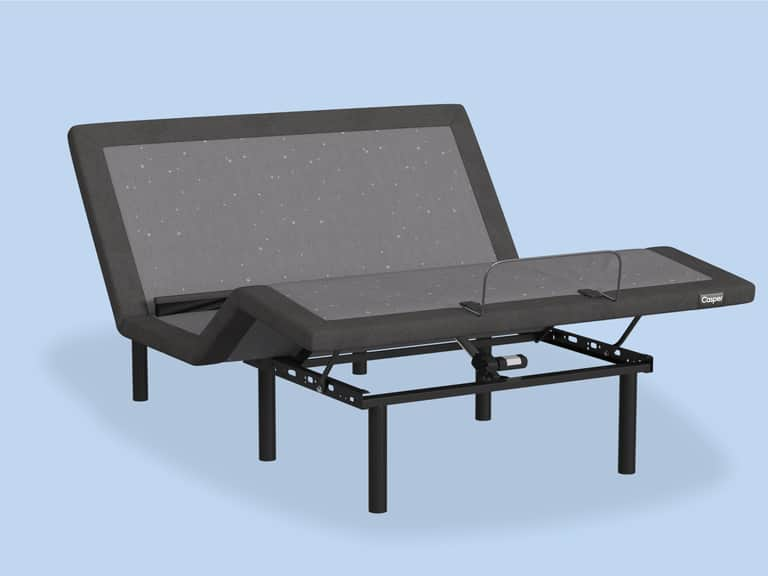
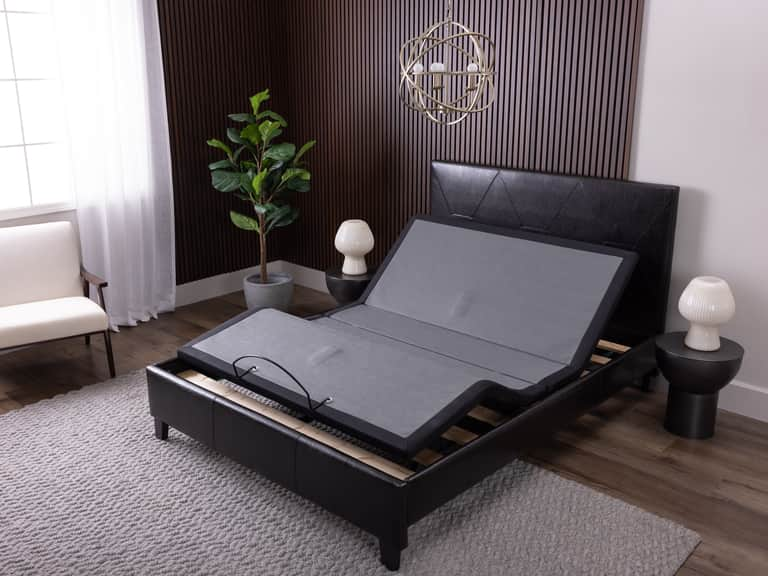
Before ordering, check the topper’s dimensions against the mattress. Confirm the thickness, how it is secured, and whether the cover can be removed. If the bed is adjustable, review the instructions for both the mattress and topper. A flexible surface may be needed to follow changes in the bed’s position; a thick or rigid layer could shift, bunch, or affect how the sleep surface bends. Compatibility should be confirmed with the manufacturers rather than assumed from the material name.
How to choose between pillow-top and latex
The decision becomes clearer when you name the sensation you are trying to change. If the mattress feels too firm on contact and you want a soft, padded finish, a pillow-top style may be worth exploring. If you would rather have a springy, responsive layer that does not feel as deeply cushioned, latex may be the more natural direction. Neither choice is a shortcut to a perfect night; both are ways to tune the bed to your preferences.
Consider your usual sleep position, but treat it as one factor rather than a prescription. A side sleeper might want more cushioning at the shoulder and hip. A back sleeper may seek a balanced surface that feels neither sharply firm nor excessively soft. A stomach sleeper may want to avoid a substantial increase in sink. Think about how often you turn, whether you dislike being enveloped by the bed, and whether your current mattress already feels warm or slow to respond.
Finally, consider how you want the bed to feel a month from now. A topper can seem wonderfully plush on the first evening, then feel less appealing if it makes turning awkward or if it compresses more than expected. If you can, make one change at a time. Keep the mattress protector and sheets consistent while testing so you can better identify what the topper itself contributes.
Care, cleaning, and longevity
Care requirements vary widely by material and construction. A removable cover may be washable, while the core beneath it may require spot cleaning only. Some toppers should not be machine washed, soaked, or exposed to direct heat. Follow the care label and manufacturer’s instructions; convenience should not be inferred from the word “pillow-top” or “latex.” A washable protector can help limit stains and everyday soil, provided it is compatible with the topper and does not create an unwanted change in feel.
Latex needs appropriate handling as well. Read the product-specific guidance for cleaning, ventilation, and storage, and avoid folding or compressing the topper in ways the manufacturer does not recommend. For either style, regular airing and careful use of bedding can help keep the sleep surface fresh. If a topper develops persistent odor, visible damage, uneven compression, or a marked change in comfort, consult the manufacturer’s care and warranty information.
Longevity depends on material quality, use, maintenance, and the conditions in the bedroom. A higher price or a particular material does not guarantee a specific lifespan. Look for transparent information about construction, warranty coverage, care, and return terms. Those details are part of the product, not fine print to consider only after delivery.
A simple at-home comparison
Before choosing, describe your current bed in plain language. Is it too firm at first contact? Does it feel slow when you turn? Is one area more uncomfortable than another? Does the surface seem warm, or is the mattress itself visibly worn? These observations help separate a comfort preference from a problem a topper may not be able to solve.
- For a softer landing: Compare pillow-top designs by fill, loft, and how much cushioning they add.
- For buoyant response: Review latex firmness, thickness, composition, and cover details.
- For easier repositioning: Pay attention to how quickly the surface recovers and whether it creates a deep impression.
- For warmth concerns: Evaluate the whole bed, including sheets, protectors, and the materials below the topper.
- For an adjustable bed: Confirm that both the mattress and topper are suitable for the base’s movement and follow all setup guidance.
- For a worn mattress: Assess whether replacement or repair is more appropriate than adding another comfort layer.
If a trial period is offered, read its terms before opening or using the topper. Note the time allowed, return process, fees, and condition requirements. Then give the product a fair test under normal sleep conditions. Comfort is personal, and a thoughtful trial is more informative than a dramatic first impression.
Frequently asked questions
Is a pillow-top topper softer than a latex topper?
Not necessarily. Pillow-top describes a cushioned construction, while latex describes a material. A pillow-top topper may feel plush, but firmness and fill vary. Latex can range from soft to firm and may feel resilient even when it provides cushioning. Compare specifications and, where possible, test the exact model.
Can a latex topper make a mattress feel softer?
It can change the surface feel, but the result depends on its firmness and thickness, along with the mattress beneath it. A soft latex topper may add cushioning; a firmer one may feel more supportive or buoyant. If the mattress is sagging or structurally worn, a topper is unlikely to correct that condition.
Which type is better for side sleepers?
There is no single answer. Some side sleepers prefer the plush surface of a pillow-top topper, while others prefer latex’s responsive cushioning. The useful question is whether the surface feels comfortable at the shoulder and hip without making the rest of the body feel unsupported. Personal comfort and the existing mattress should guide the choice.
Will a topper work on an adjustable base?
Compatibility depends on the topper’s flexibility, construction, attachment method, and the requirements of the mattress and base. Check the manufacturers’ guidance before use. During adjustment, watch for shifting or bunching and discontinue use if the setup does not move as intended.
How thick should a mattress topper be?
Choose thickness according to the scale of change you want and how the material responds. A modest layer can subtly adjust the surface; a thicker one may have a more noticeable effect but can also change sink and movement. There is no universal ideal measurement, so compare the manufacturer’s specifications with your mattress and comfort goals.
The final edit
Pillow-top and latex mattress toppers offer different answers to the same question: how should the bed meet the body? One often leans toward a cushioned, padded sensation; the other is associated with resilient, buoyant response. Each can influence pressure comfort, movement, temperature perception, and the way a mattress feels beneath the sheets—but no category can promise the same result for every sleeper.
Choose by focusing on your actual bedtime experience. Identify what feels missing, check the materials and dimensions, consider care and compatibility, and give the complete setup time to reveal its character. The most successful topper is not necessarily the plushest or the most technical. It is the one that makes your own bed feel more considered, more comfortable, and more like a place you want to return to at the end of the day.